Minimum Wage in the Netherlands (2026)
The Dutch minimum wage is now purely an hourly rate, adjusted twice a year: €14.71 gross from 1 January 2026 and €14.99 from 1 July 2026 for workers aged 21 and over — about €2,338 a month at a 36-hour week, the third-highest floor in the EU. Below: the youth scale, the half-yearly rhythm, and the European comparison.
By the MinWage Europe editorial team · Updated $1
Key numbers at a glance
| Netherlands minimum wage (2026) | Rate | In force since | Vs EU average (≈€1,380) |
|---|---|---|---|
| Gross monthly minimum | €14.99 an hour (≈ €2,338 a month at 36 hours) | 1 January and 1 July 2026 | +70% |
Since 2024 the Netherlands has expressed its minimum wage (wettelijk minimumloon, WML) per hour only, ending the separate daily/weekly/monthly tables. Eurostat's monthly equivalent was €2,294.40 on the January 2026 reference basis and about €2,338 at the July rate (36-hour week). Data below per Eurostat (earn_mw_cur) and Rijksoverheid. The unweighted average of the 22 EU national minimums is about €1,379 a month in mid-2026, so the Netherlands’ rate sits roughly 70% above that benchmark.
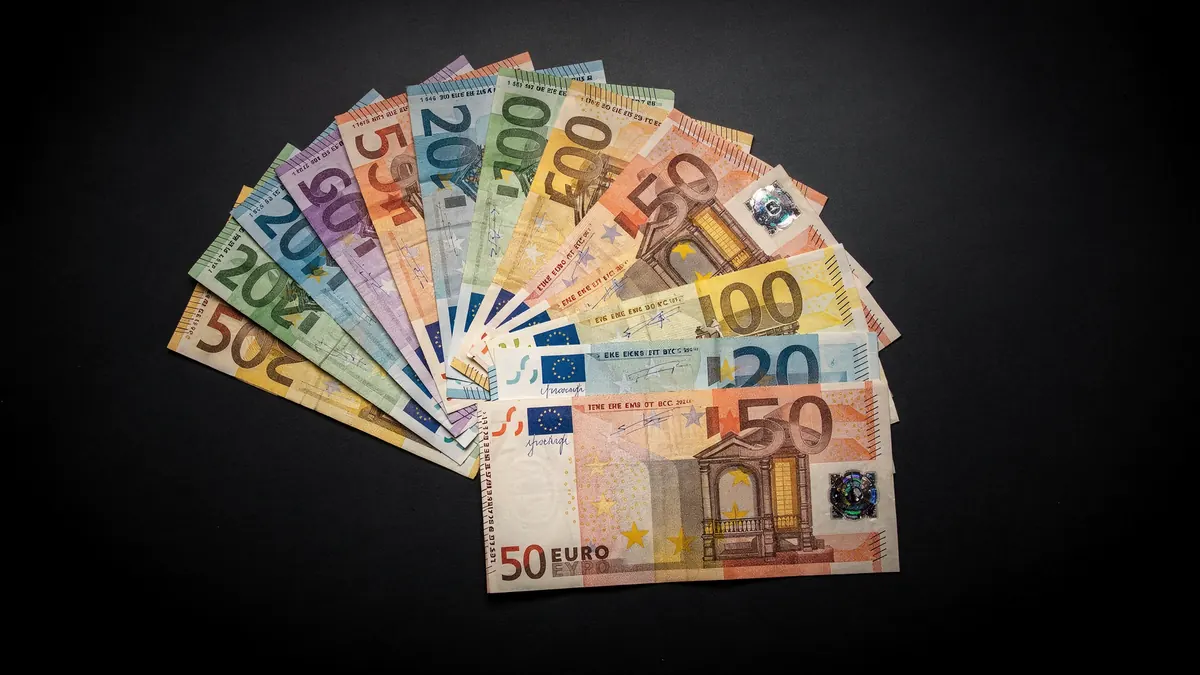
Minimum wage in the Netherlands: the rate
An advisory committee (in Dutch, the Adviescommissie minimumloon) reports to the Minister of Social Affairs in spring and autumn; the minister then fixes the new hourly rates by decree, effective 1 January and 1 July. The adjustment follows collectively agreed wage development, and the government has in recent years deliberately added real increases on top — the stated aim is to lift the minimum wage relative to median wages over the legislature. Because the rate is hourly, part-timers get exact pro-rata protection: a 12-hour week at €14.99 is simply 12 × €14.99, with no month-table shortcuts. Employers must also pay the minimum during illness (for the statutory period) and may not offset it against tips or travel allowances.
| Measure | Amount |
|---|---|
| Legal rate (national basis) | €14.71 an hour from 1 January 2026, €14.99 an hour from 1 July 2026 (ages 21+) |
| Euro equivalent, mid-2026 (Eurostat) | €2,338 |
| Previous rate | €14.40 an hour in 2025 |
| Change for 2026 | +2.2% in January 2026, +2.4% in July 2026 |
| In force since | 1 January and 1 July 2026 |
The recent path in hourly terms: €12.12 (January 2023), the big index-linked steps of 2023–24 to roughly €13.27/€13.68, €14.06 (July 2024), €14.40 (January 2025), €14.71 (January 2026) and €14.99 (July 2026). The abolition of the monthly table in 2023–24 closed a loophole where longer working weeks diluted effective hourly protection. Dutch policy has also scrapped most of the old youth scale at the top end: 21-year-olds now get the full adult rate, with the ladder starting only below 21. The Netherlands is one of only three EU countries (with Belgium and Ireland) operating semi-annual or indexed uprating.
Gross figures; payroll tax and contributions come off, though low hourly wages carry reduced employer contributions. The youth scale for January 2026 ran at €11.77 (20 years), €8.83 (19) and €7.36 (18), with lower percentages under 18 — check the current table on Rijksoverheid.nl because it moves every January and July. Enforcement sits with the Labour Inspectorate (Inspectie SZW), which publishes sector risk reports; underpayment can trigger administrative fines per violated worker and, for repeat offenders, sector-wide action. The 2026 annual leave entitlement is 4× weekly hours, paid at the minimum hourly rate as a floor.
Youth and trainee rates. Yes — a detailed age ladder below 21: about €11.77 at 20, €8.83 at 19 and €7.36 at 18 (January 2026 figures), scaling down further for 16- and 17-year-olds. From 21 the full €14.99 applies regardless of experience.

How the Netherlands compares
In euro terms, the Netherlands's statutory minimum is €2,338 a month gross. Netherlands sits in Eurostat's top band (over €1,500 a month). The table below sets the rate against neighbouring systems, the EU's highest and lowest statutory floors, and the EU average of roughly €1,379 (unweighted mean of the 22 national rates, Eurostat data for mid-2026).
| Country | Monthly minimum wage (gross) | Vs EU average (≈€1,380) |
|---|---|---|
| the Netherlands | €2,338 | +70% |
| Belgium | €2,234 | +62% |
| Germany | €2,343 | +70% |
| Luxembourg | €2,771 | +101% |
| Bulgaria | €620 | −55% |
| EU average (22 statutory rates) | ≈€1,379 | — |
The comparison to hold on to: Luxembourg tops the statutory table at €2,771 and Bulgaria closes it at €620 — a 4.5-to-1 spread that has been narrowing slowly as the east converges. Netherlands's position relative to that spread defines both its wage-cost competitiveness and its workers' purchasing power.
Purchasing power. In purchasing power terms the Dutch minimum was worth about 2,023 PPS in mid-2026 — third in the EU behind Germany (2,164) and Luxembourg (2,108), per Eurostat. The twice-yearly uprating keeps the real value unusually stable: the July 2026 step (+2.4%) landed almost exactly on Dutch inflation, preserving that position.
Where to verify the current rate
- Eurostat, Monthly minimum wages (earn_mw_cur)
- Rijksoverheid — minimumloon (official)
- Eurofound — minimum wage in Netherlands
Neighbouring countries and related pages
Wage floors change at every border. Compare the Netherlands with Belgium and Germany, and see also Luxembourg — the full list of 30 country pages is on the by-country hub, and the pan-European tables are in our minimum wage comparison.

FAQ
What is the minimum wage in Netherlands in 2026?
€14.99 an hour (≈ €2,338 a month at 36 hours) — in force since 1 January and 1 July 2026. Previous rate: €14.40 an hour in 2025. The euro figure for cross-country comparison is €2,338 a month (Eurostat, mid-2026).
What is the hourly minimum wage in Netherlands?
€14.99 gross an hour is the statutory hourly rate (2026), the binding figure for part-time and overtime calculations.
Is the minimum wage in Netherlands higher or lower than the EU average?
Higher: about 70% above the ≈€1,379 unweighted EU average (22 statutory minimums, mid-2026).
When did the minimum wage in Netherlands last change, and what comes next?
The current rate has applied since 1 January and 1 July 2026. Change for 2026: +2.2% in January 2026, +2.4% in July 2026. Before that: €14.40 an hour in 2025. Check the official sources below before the next uprating window — dates and amounts are confirmed there first.
Are there youth or trainee minimum wage rates in Netherlands?
Yes — a detailed age ladder below 21: about €11.77 at 20, €8.83 at 19 and €7.36 at 18 (January 2026 figures), scaling down further for 16- and 17-year-olds. From 21 the full €14.99 applies regardless of experience.
Who sets the minimum wage in Netherlands?
An advisory committee (in Dutch, the Adviescommissie minimumloon) reports to the Minister of Social Affairs in spring and autumn; the minister then fixes the new hourly rates by decree, effective 1 January and 1 July. The adjustment follows collectively agreed wage development, and the government has in recent years deliberately added real increases on top — the stated aim is to lift the minimum wage relative to median wages over the legislature.