Minimum Wage in Malta (2026)
Malta's minimum wage reached €994 a month in 2026 — the top of Eurostat's lower band and the highest floor in southern Europe after the 14-payment countries are annualised. Set through the Budget process with a cost-of-living mechanism on top, Malta's system is small but distinctive. Here is how it works and where it ranks.
By the MinWage Europe editorial team · Updated $1
Key numbers at a glance
| Malta minimum wage (2026) | Rate | In force since | Vs EU average (≈€1,380) |
|---|---|---|---|
| Gross monthly minimum | €994 gross a month | 2026 Budget measures (January 2026) | −28% |
Malta adjusts its minimum wage through annual Budget legislation following the recommendations of the Low Wage Commission, with an automatic cost-of-living adjustment (COLA) each year. Figures below are gross, per Eurostat (earn_mw_cur) and Eurofound. The unweighted average of the 22 EU national minimums is about €1,379 a month in mid-2026, so Malta’s rate sits roughly 28% below that benchmark.
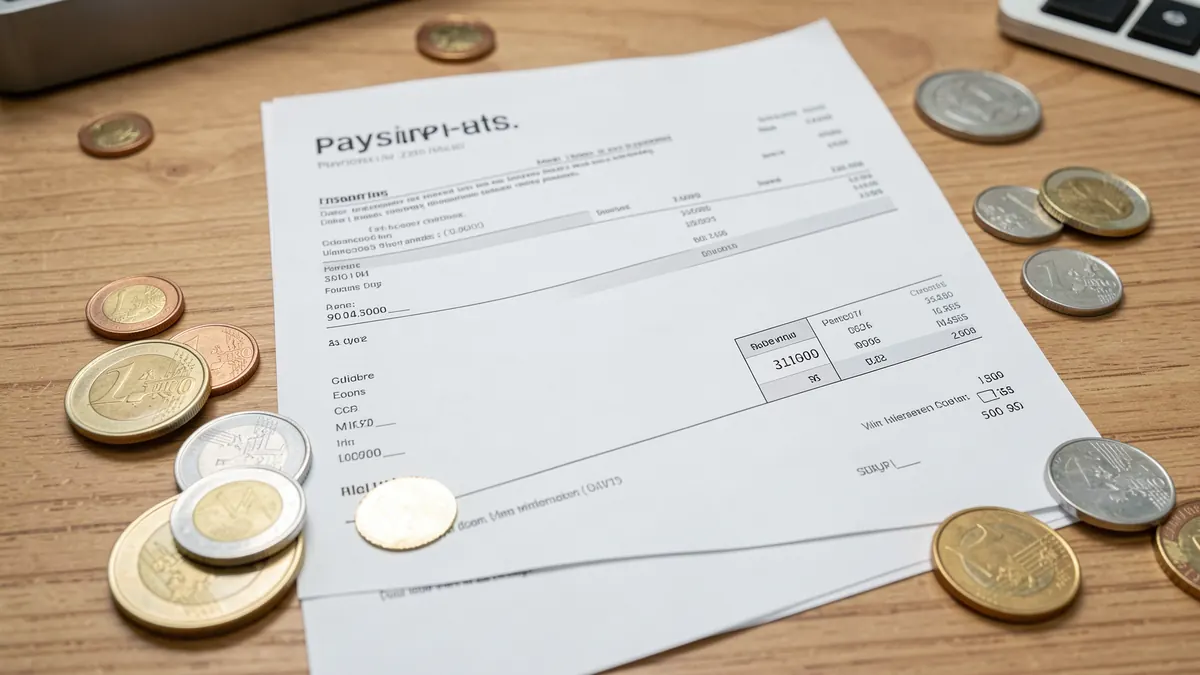
Minimum wage in Malta: the rate
The legal minimum is expressed as a weekly rate for a 40-hour week and uprated once a year through the Budget Act: a structural increase recommended by the Low Wage Commission (set up in 2020) plus the mechanical COLA, which is calculated from the September-to-September retail price index and paid to all wage and salary earners. For 2026 the combined effect lifted the rate to about €229.15 a week — €994 a month on Eurostat's basis. Collective agreements in the public sector and larger firms sit well above; the floor mainly binds in private services, hospitality, gaming support functions, cleaning and care work. Malta also operates in-work benefit top-ups for low earners with children, paid through the tax system, which effectively raises household income above the bare minimum without touching the wage floor itself.
| Measure | Amount |
|---|---|
| Legal rate (national basis) | €994 a month in 2026 (set as a weekly rate of about €229 in the Budget) |
| Euro equivalent, mid-2026 (Eurostat) | €994 |
| Previous rate | raised annually in the Budget; the weekly-rate basis moves with COLA |
| Change for 2026 | set in the 2026 Budget, on top of the COLA mechanism |
| In force since | 2026 Budget measures (January 2026) |
Malta held the EU's lowest-increase profile for years — the weekly rate famously moved by small COLA amounts for decades — until the Low Wage Commission reforms produced explicit structural increases from 2022. Recent approximate monthly equivalents: €772 (2018), €785 (2020), €826 (2022), €862–€925 (2023–24, including a one-off €9.90 weekly rise phased over two years), €970 (2025) and €994 (2026). Malta's tight labour market — unemployment among the EU's lowest, heavy reliance on third-country workers — has pushed entry wages up independently, and the 2024 carers' and cleaners' sectoral agreement campaign lifted several occupations above the floor. Malta remains just under the €1,000 line that marks Eurostat's middle band.
The weekly-rate structure means part-timers are protected pro-rata and public holidays are paid on top; the standard week for the rate is 40 hours. Figures are gross; Malta's tax system refunds much of the liability at low incomes through the in-work benefit and parent allowances. Enforcement sits with the Department of Industrial and Employment Relations (DIER), which can investigate and mediate; chronic underpayment in hospitality and private care has drawn inspections. There is no youth sub-rate as such, but the 2024–25 reforms introduced additional increments for workers who have spent a decade or more at the minimum — a seniority-based uplift unique in the EU. Overtime after 40 hours must be paid at time-and-a-quarter minimum, stacking on the weekly rate.
Youth and trainee rates. No general youth rate. Malta's distinctive addition is seniority-based: workers on the minimum for long periods receive additional weekly increments, an anti-poverty measure for aging low-wage workers.
How Malta compares
In euro terms, Malta's statutory minimum is €994 a month gross. Malta sits in Eurostat's lower band (under €1,000 a month). The table below sets the rate against neighbouring systems, the EU's highest and lowest statutory floors, and the EU average of roughly €1,379 (unweighted mean of the 22 national rates, Eurostat data for mid-2026).
| Country | Monthly minimum wage (gross) | Vs EU average (≈€1,380) |
|---|---|---|
| Malta | €994 | −28% |
| Italy | No statutory minimum | n/a |
| Cyprus | €1,088 | −21% |
| Greece | €1,073 | −22% |
| Luxembourg | €2,771 | +101% |
| Bulgaria | €620 | −55% |
| EU average (22 statutory rates) | ≈€1,379 | — |
The comparison to hold on to: Luxembourg tops the statutory table at €2,771 and Bulgaria closes it at €620 — a 4.5-to-1 spread that has been narrowing slowly as the east converges. Malta's position relative to that spread defines both its wage-cost competitiveness and its workers' purchasing power.
Purchasing power. Maltese price levels have risen sharply with the boom, so the PPS reading is less flattering than the nominal one — Malta sits mid-to-low in the real table at mid-2026 despite topping the sub-€1,000 nominal band, per Eurostat.
Where to verify the current rate
- Eurostat, Monthly minimum wages (earn_mw_cur)
- Government of Malta — Ministry for Finance and Employment
- Eurofound — minimum wage in Malta
Neighbouring countries and related pages
Wage floors change at every border. Compare Malta with Italy and Cyprus, and see also Greece — the full list of 30 country pages is on the by-country hub, and the pan-European tables are in our minimum wage comparison.
FAQ
What is the minimum wage in Malta in 2026?
€994 gross a month — in force since 2026 Budget measures (January 2026). Previous rate: raised annually in the Budget; the weekly-rate basis moves with COLA. The euro figure for cross-country comparison is €994 a month (Eurostat, mid-2026).
What is the hourly minimum wage in Malta?
The legal rate is set as a monthly amount (€994 a month in 2026 (set as a weekly rate of about €229 in the Budget)); the hourly equivalent follows from the standard weekly hours used in Malta — divide the monthly figure by the contracted hours, and overtime premiums stack on top.
Is the minimum wage in Malta higher or lower than the EU average?
Lower: about 28% below the ≈€1,379 unweighted EU average (22 statutory minimums, mid-2026).
When did the minimum wage in Malta last change, and what comes next?
The current rate has applied since 2026 Budget measures (January 2026). Change for 2026: set in the 2026 Budget, on top of the COLA mechanism. Before that: raised annually in the Budget; the weekly-rate basis moves with COLA. Check the official sources below before the next uprating window — dates and amounts are confirmed there first.
Are there youth or trainee minimum wage rates in Malta?
No general youth rate. Malta's distinctive addition is seniority-based: workers on the minimum for long periods receive additional weekly increments, an anti-poverty measure for aging low-wage workers.
Who sets the minimum wage in Malta?
The legal minimum is expressed as a weekly rate for a 40-hour week and uprated once a year through the Budget Act: a structural increase recommended by the Low Wage Commission (set up in 2020) plus the mechanical COLA, which is calculated from the September-to-September retail price index and paid to all wage and salary earners. For 2026 the combined effect lifted the rate to about €229.15 a week — €994 a month on Eurostat's basis.